The dream goes on: Riiohlang Dhar charts another World Cup milestone
07 Aug 2026
Farhin Imran AIFF Media Team
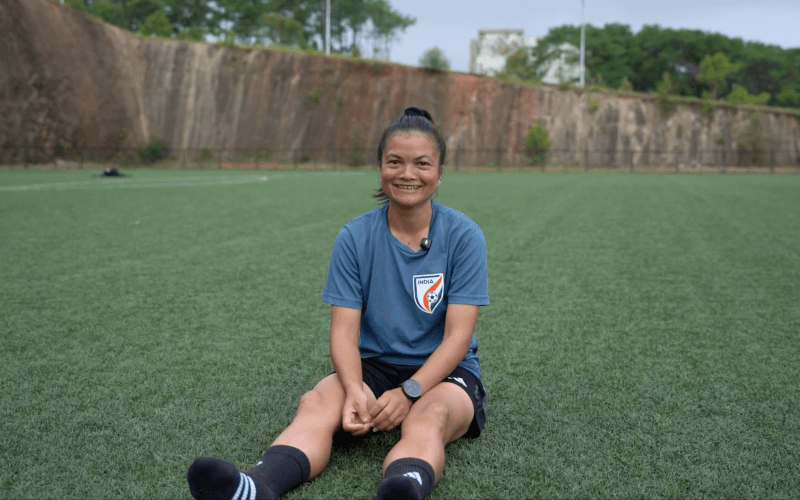
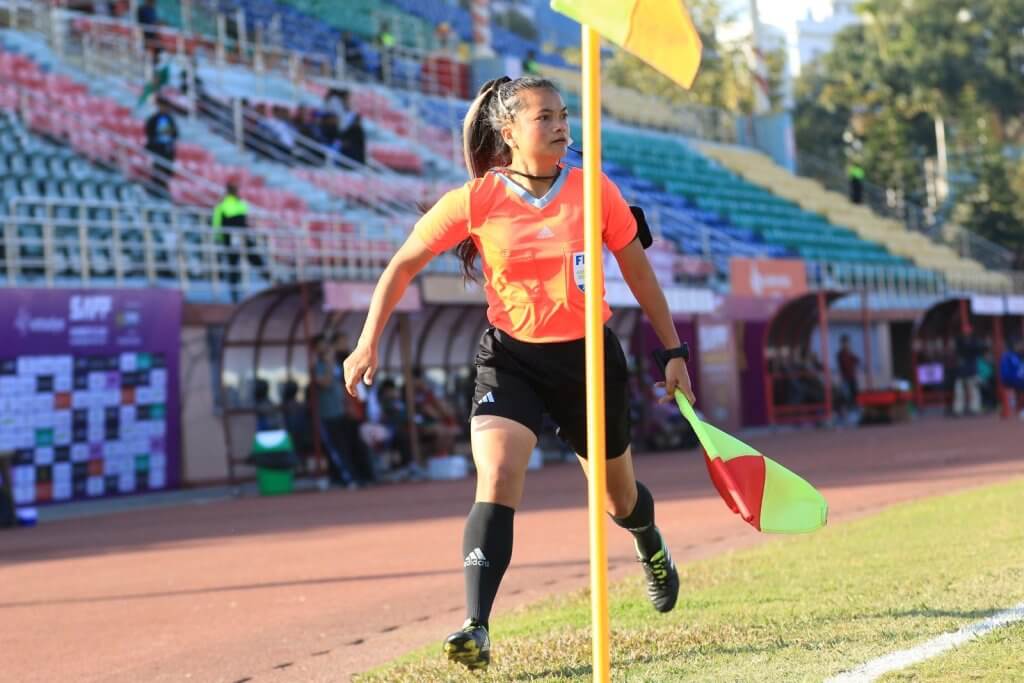
NEW DELHI: In another milestone achievement for Indian refereeing, Riiohlang Dhar will represent India at the FIFA U20 Women’s World Cup 2026 in Poland after being appointed as an assistant referee for the tournament. Following her previous feature at the FIFA U17 Women’s World Cup 2024 in the Dominican Republic, this second World Cup selection is a powerful testimony to the 36-year-old’s consistency and FIFA’s faith in her officiating abilities.
Moulded in Meghalaya, she has earned recognition across Asia through multiple AFC assignments, including the AFC Women’s Asian Cup earlier this year in Australia, where she took charge on the sidelines for three group stage matches. Being entrusted with the U17 World Cup semi-final between England and Spain in 2024 remains one of the highest points of her career. Riiohlang's journey stands as a beacon for not just Indian refereeing but football in India as a whole.
Her path to the world stage began on the local football grounds of Meghalaya. "I used to be a player," she said. "Football is the major sport in Meghalaya, but for women, it wasn't very accessible. When I joined refereeing, I didn't expect to be where I am now. I'm very happy and excited to still be going on."
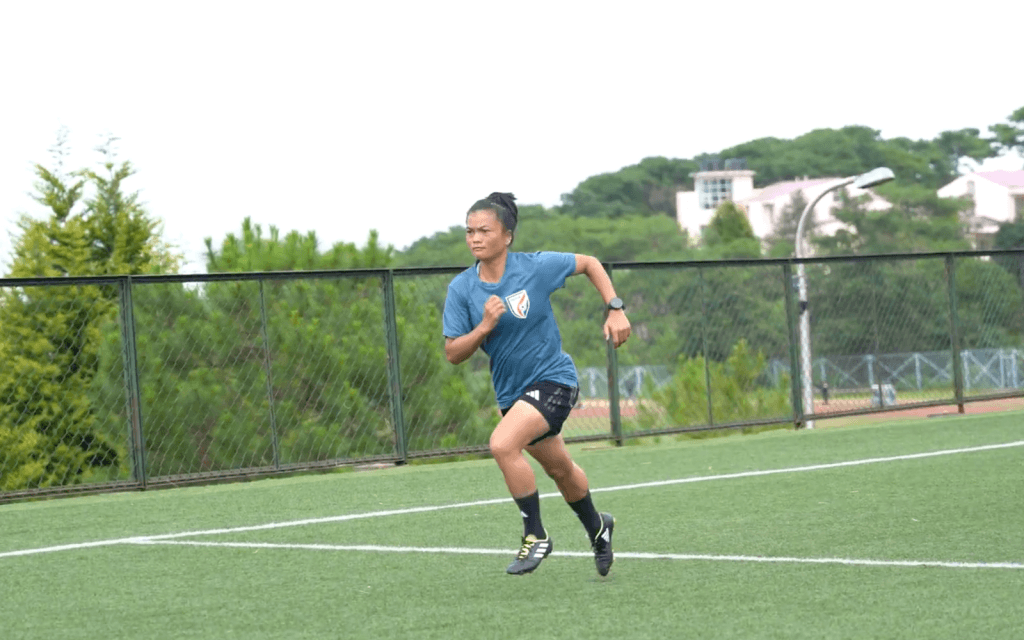
Her success has come through sacrifice as much as skill. Away from the pitch, Riiohlang serves in the Meghalaya Police department, juggling the demands of her duty while maintaining the exacting fitness and performance standards expected of an international match official.
Every 90-minute officiating is built on hours of unseen work — physical, mental and analytical — long before the kick-off. "I won't say it's a glamorous thing to be a referee," she admitted. "People only remember when you make a mistake. They don't appreciate what you do in the 90 minutes if you make the correct decisions."
While every tournament helped broaden her experience, her 2024 Dominican Republic outing gave her first-hand exposure to Football Video Support (FVS), an alternative to the Video Assistant Referee (VAR) system. “It was a new thing for me because we had never used it in India or even in AFC competitions," Riiohlang said. "Learning it gave me more confidence, and I carried that experience into the Women's Asian Cup."
But technology and learning are only part of the job. For Riiohlang, foundations of good officiating still lie in balancing empathy and authority.
“As long as we are in the correct position, we can give the correct decision," she explained, adding that managing the game requires absolute command. "We respect every player the same way. Sometimes you need to speak politely, and sometimes you need to be firm. Strong body language is also important because not every player understands English."
Beyond the accolades, her motivation is deeply personal. Every time she patrols the touchline, she carries the memory of her late parents. "I always think about them even though they are not with me now," she shared. "My father had already passed away when I became a referee, and my mother used to be unwell. I still feel they are with me. Whenever I go to a match, I feel that if they were still alive, they would be there in the crowd cheering for me."
Now as she prepares to don the FIFA badge once again next month on the opposite side of the world, it wouldn't be erring to think it can inspire younger ones to tread a road less taken in football — one with a flag and a whistle.
"I can only tell young aspiring referees to never give up," she said. "Just like players are trained, referees also need proper guidance and training. Refereeing is a tough job, but don't give up on your dreams. Aim higher. Refereeing is not just about fame or money."
 Shop
Shop